
The Hidden Link Between Technique and Musical Expression
Why tone, rhythm, legato, and harmony are all connected on the classical guitar
One of the most common mistakes guitarists make is separating technique from music.
Technique becomes something you “work on”…
while expression is something you “add later.”
But in reality, there is no separation.
Your technique is your expression.
Every detail — how long you hold a note, how your fingers move, how your hand is positioned — directly shapes the sound. And when those details improve, something remarkable happens:
Your playing starts to sound like music.
1. Technique is what makes the music audible
Before we even talk about expression, we need clarity.
In many cases, what sounds “unmusical” isn’t a lack of feeling — it’s a lack of control:
notes not held for their full value
rhythm that speeds up or slows down unintentionally
phrases that break apart due to hesitation or memory slips
When rhythm becomes steady and notes are sustained properly, the music suddenly starts to make sense.
Even something simple — like consistently holding crotchets for their full value — can transform a piece from fragmented to flowing.
This is where music begins.
2. Tone is shaped by physical details
Tone is often talked about as something mysterious or artistic.
But on the guitar, tone is incredibly practical.
Small physical adjustments can make a dramatic difference:
arching the wrist slightly more
raising the thumb for a clearer bass sound
following through with the fingers toward the palm
avoiding a harsh or “plucky” attack
When these elements align, the sound becomes:
cleaner
fuller
more controlled
And most importantly — more expressive.
You’re no longer just “playing notes.”
You’re shaping sound.
3. Legato is a technical skill, not just a musical idea
We often tell students to “play more smoothly” or “make it sing.”
But legato doesn’t happen by intention alone.
It comes from very specific technical habits:
holding fingers down longer
allowing notes to ring into each other
maintaining chord shapes wherever possible
managing stretches carefully so the line doesn’t break
When notes connect consistently, the result is a singing, vocal quality.
Without that connection, even a beautiful melody can sound disjointed.
4. Good technique is flexible, not rigid
A common misconception is that “good technique” means holding everything in one fixed position.
In reality, good technique is adaptive.
For example:
the left elbow is generally down and relaxed
but it may come slightly out to support certain stretches
then return inward for other positions
This kind of flexibility allows the hand to:
stay relaxed
reach comfortably
maintain control across the fingerboard
The goal is not to freeze the body —
but to allow it to move efficiently in service of the music.
5. Musical expression comes from understanding harmony
Here’s where technique and musicianship truly meet.
Even simple pieces are often built on fundamental harmonic relationships:
I (tonic) — stability, home
V (dominant) — tension, movement
IV — expansion, colour
When you understand this, phrasing becomes much clearer.
For example:
you might naturally crescendo towards the dominant (V)
then relax back into the tonic (I)
creating a sense of tension and resolution
This is what gives music its emotional shape.
Expression is not random —
it often reflects what the harmony is doing underneath.
6. Recording yourself reveals the truth
When you’re playing, you’re thinking about many things at once:
notes
fingering
rhythm
tone
memory
Because of this, it’s easy to miss what’s actually happening.
Recording yourself changes everything.
When you listen back, you immediately hear:
uneven rhythm
inconsistent tone
notes that aren’t sustained
moments where the music loses direction
This kind of feedback is incredibly powerful.
It helps bridge the gap between what you think you’re doing…
and what is actually coming out.
Conclusion
Technique is not separate from musical expression.
It creates it.
The way you move, the way you hold notes, the way you shape sound —
these are not mechanical details.
They are the music.
When you begin to approach technique in this way, even simple exercises become meaningful.
They stop being drills… and start becoming music.
And that’s where real progress begins.
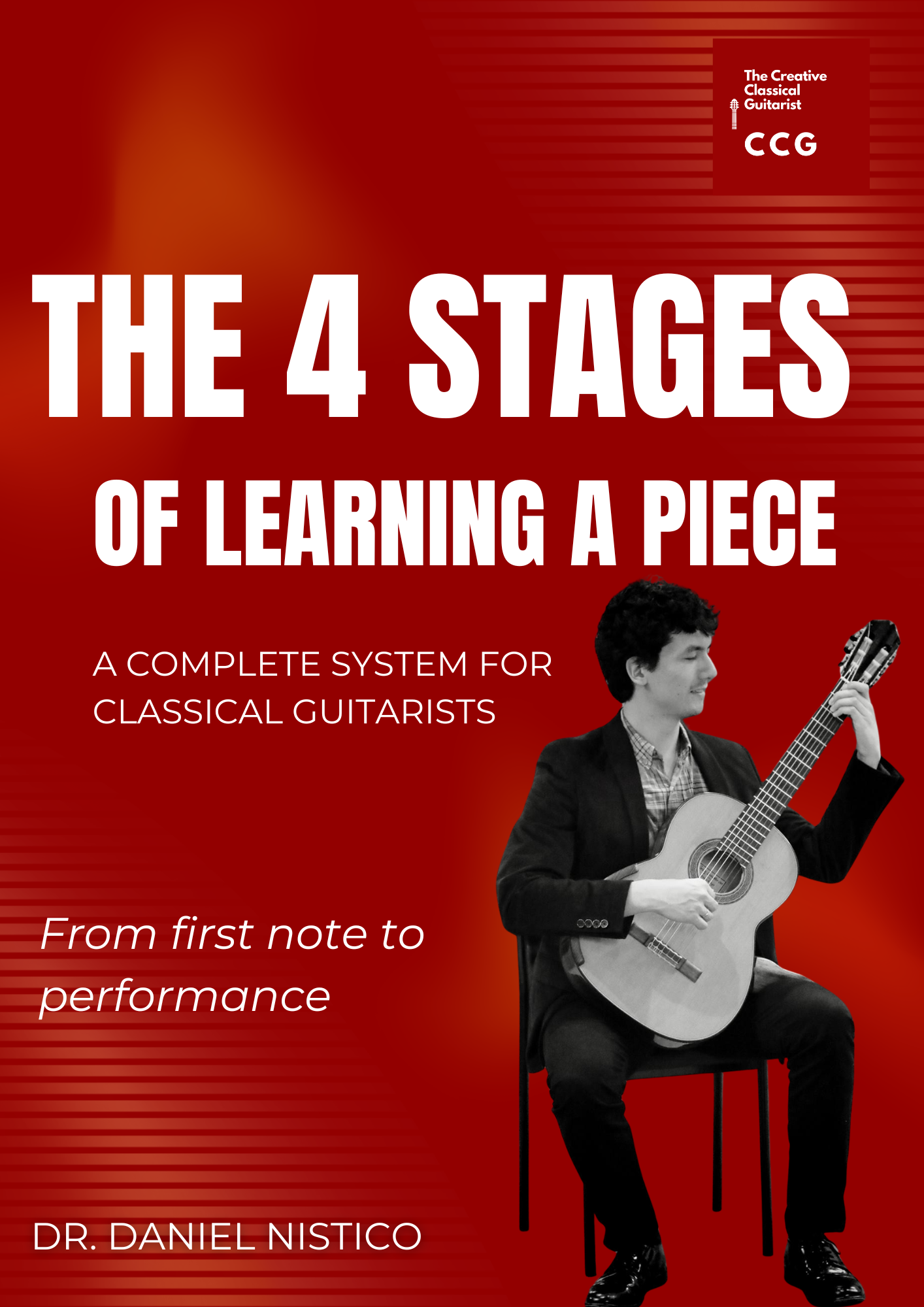
If you’d like a clear, step-by-step system to connect technique, understanding, and musical flow:
Download my free guide: The 4 Stages of Learning a Piece - CLICK HERE
It will help you move from first read-through to confident, expressive playing — with a clear structure you can apply immediately.