
How to Stop Getting Stuck in Practice and Start Making Real Progress
One of the biggest problems musicians face in practice is not laziness.
It’s getting stuck.
You sit down with good intentions, find one difficult bar, one awkward transition, one technical issue… and before you know it, the whole session disappears into that one spot. You may feel productive because you were focused, but often you finish the session with the sense that nothing much actually moved forward.
A better practice routine does not just help you work hard. It helps you keep moving.
The goal of a practice routine
A good routine should help you cover the main areas that actually develop you as a player:
technique
fluency
memory
repertoire maintenance
learning new material
musical expression
If your practice only lives in one of those areas, progress becomes lopsided.
You might become more accurate, but less musical. Or more thoughtful, but less fluent. Or more focused on one piece, while everything else starts to slide.
That is why structure matters.
A simple 60-minute routine
A very effective format is to divide practice into blocks:
20 minutes technical work
20 minutes old pieces
20 minutes new pieces
That is only one hour, but it covers a surprising amount of ground.
Instead of hoping your session will somehow balance itself, you decide that in advance.
1. Technical work: build control first
The first block is where you work on the things that make everything else easier:
scales
arpeggios
right-hand patterns
rhythmic control
coordination
metronome work
This is where the metronome becomes especially important.
Not just as a device that clicks in the background, but as something that trains your inner sense of pulse. In the lesson, one of the big breakthroughs was not simply “playing with the metronome,” but learning to feel rhythmic patterns internally while lining them up with the beat.
That is a huge shift.
The metronome is not there to make practice robotic. It is there to reveal whether the rhythm is actually stable.
When used well, it helps:
expose unevenness
improve ensemble playing
increase fluency
make technical work measurable
The key is to make it a normal part of practice, not an occasional punishment.
2. Old pieces: maintain, memorize, and mature
Old pieces should not always be treated like brand-new projects.
This is where many players lose time. They take repertoire that is already partly learned and drag it back into slow, detail-heavy practice every single day.
Sometimes that is needed. But often, old pieces need a different kind of attention.
Use this block to:
run pieces through
strengthen memory
identify weak spots
increase tempo and fluidity
bring out character and expression
In other words, old pieces are where you learn to play music, not just fix notes.
A useful question here is:
What is the main job of this piece right now?
For one piece, the answer may be memory.
For another, tempo.
For another, smoothing out one awkward transition.
For another, making it lighter, freer, and more musical.
That keeps practice focused without turning every old piece into a total rebuild.
3. New pieces: keep developing
If all your energy goes into maintaining old repertoire, eventually growth slows down.
You also need something that stretches you.
That is what the new-piece block is for.
This does not mean trying to conquer an entire work in one sitting. Often the best use of this time is to reinforce just a few lines, repeat a passage a few times, and become more familiar with the fingering, shapes, and movement.
The point is steady development.
Not overload. Not chaos. Not jumping between ten pieces with no plan.
Just enough new material to keep your playing moving forward.
Why time limits help so much
One of the biggest benefits of timed blocks is that they stop over-practising one thing.
Many musicians have the habit of locking onto one problem and refusing to move on until it feels solved. The trouble is, some things are not solved in ten minutes. Or even thirty.
When you use time limits, you give each area enough attention to grow without letting it consume the whole session.
This creates a healthier mindset:
do meaningful work
make some progress
move on
come back tomorrow
That is how long-term progress is actually built.
The metronome is more than tempo
A major thread running through this lesson is that the metronome was starting to become part of the student’s normal practice life.
That is important, because the metronome is not only for speed.
It can help with:
held notes
subdivisions
balance within the bar
rhythmic consistency in arpeggios
transitions between gestures
ensemble readiness
In fact, many students discover that once they begin using the metronome properly, their overall playing improves — even in pieces they are not actively drilling with it.
Why?
Because rhythm starts to become more reliable at the foundation.
And when rhythm is more secure, musicality has something stable to stand on.
Don’t let musicality become an excuse for looseness
Another valuable idea from the lesson is the tension between accuracy and musicality.
Sometimes players feel that when they try to play more musically, they lose rhythmic control. That is normal. But it does not mean you should abandon either one.
The answer is not:
all freedom and no structure
orall structure and no expression
It is learning to bring the two together.
That is exactly why technical work, old pieces, and new pieces all matter. Each block develops part of the whole musician.
Give your practice a destination
One of the most motivating parts of the lesson was the idea of working toward a recording.
This is powerful.
A recording date gives practice a purpose. It turns abstract improvement into something tangible. It also helps you choose repertoire, prioritize pieces, and work toward a result you can keep.
For many players, this works even better than preparing for an informal performance, because a recording becomes a kind of musical snapshot — a memento of where your playing has reached.
It gives your routine direction.
A routine should feel like a full meal
By the end of the lesson, there was a sense that this kind of practice felt complete. Technical work, old pieces, memory, fluency, musicality, and new material had all been touched.
That is what a good routine should feel like.
Not random.
Not exhausting.
Not obsessive.
Complete.
A practice session should leave you with the sense that you are moving forward on multiple fronts, even if no single thing was perfected.
Because in the long run, that is what real progress looks like.
A simple template to try
Here is a practical version you can use:
20 minutes technique
scales
arpeggios
right-hand patterns
metronome work
20 minutes old pieces
run-throughs
memory work
identify weak spots
increase fluency and tempo
refine musical character
20 minutes new pieces
learn small sections
repeat key passages
reinforce fingering and movement
build familiarity
That is one hour.
And if you did that consistently, even once a day, you would cover a lot of ground.
Final thought
The biggest breakthrough in practice is often not a new exercise.
It is a better structure.
Once you stop letting one problem take over the entire session, you begin to make progress in technique, repertoire, memory, and musicianship all at once.
That is when practice starts to feel less frustrating and more rewarding.
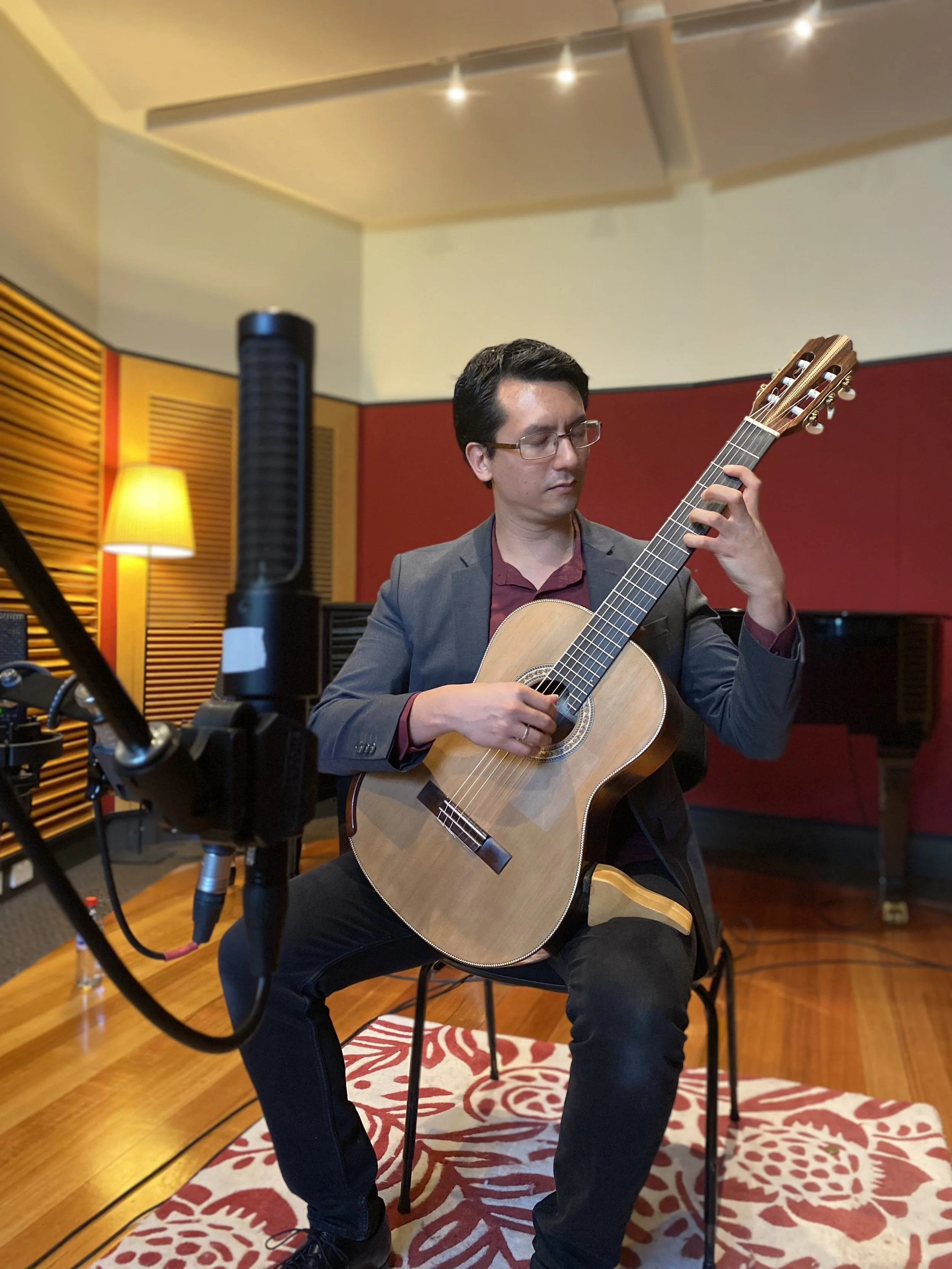
If you want structure like this built into your playing — and a reason to actually follow through — join us inside CCG.
You won’t just practice… you’ll work toward something real.
Inside the community, members:
follow clear practice systems like this
get support and guidance along the way
and most importantly… perform in regular recitals
Because practice changes when there’s a goal.
Whatever it is, the way you tell your story online can make all the difference.
👉 Join CCG and start preparing your next recital👉 Join CCG and start preparing your next recital